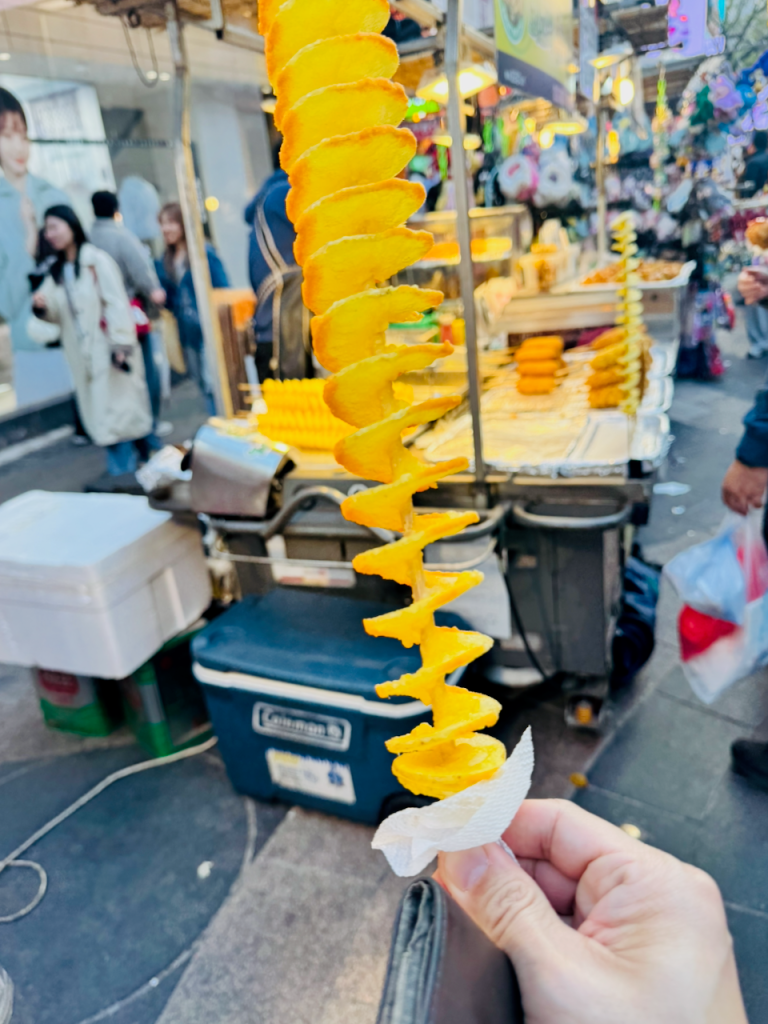
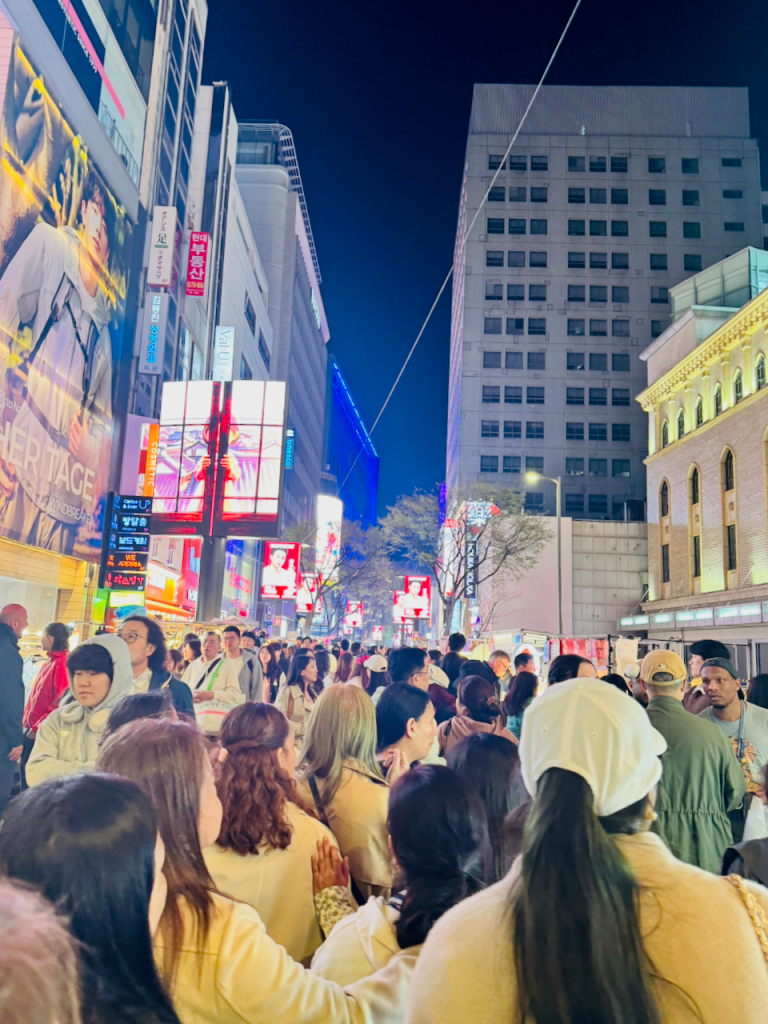
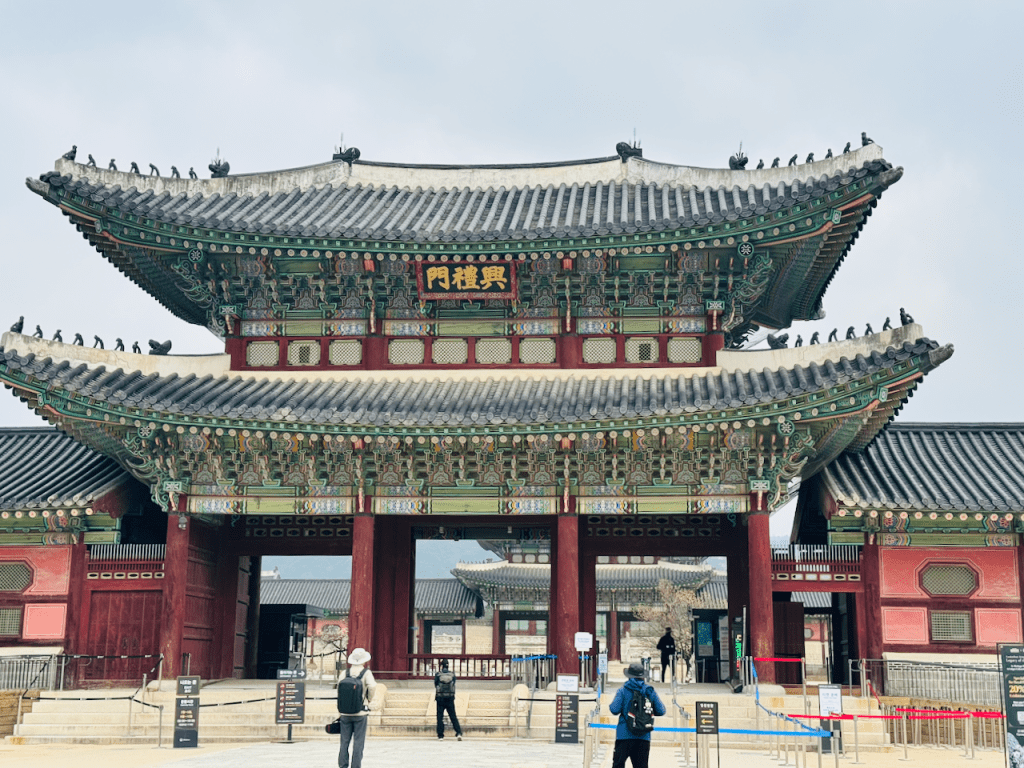
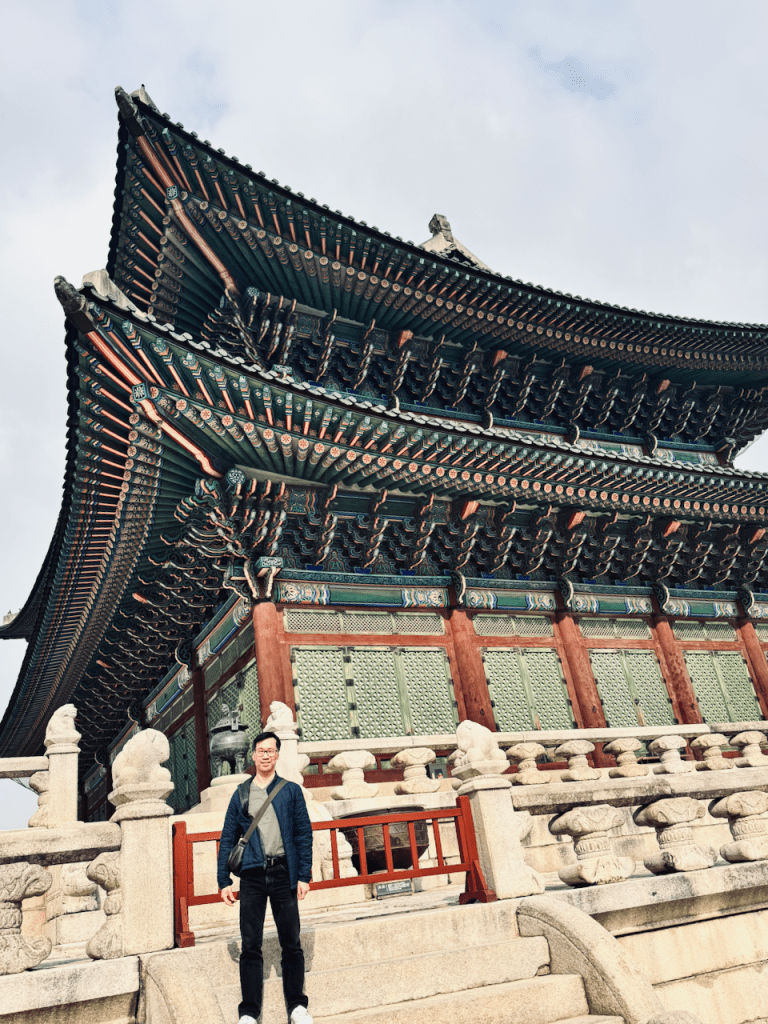
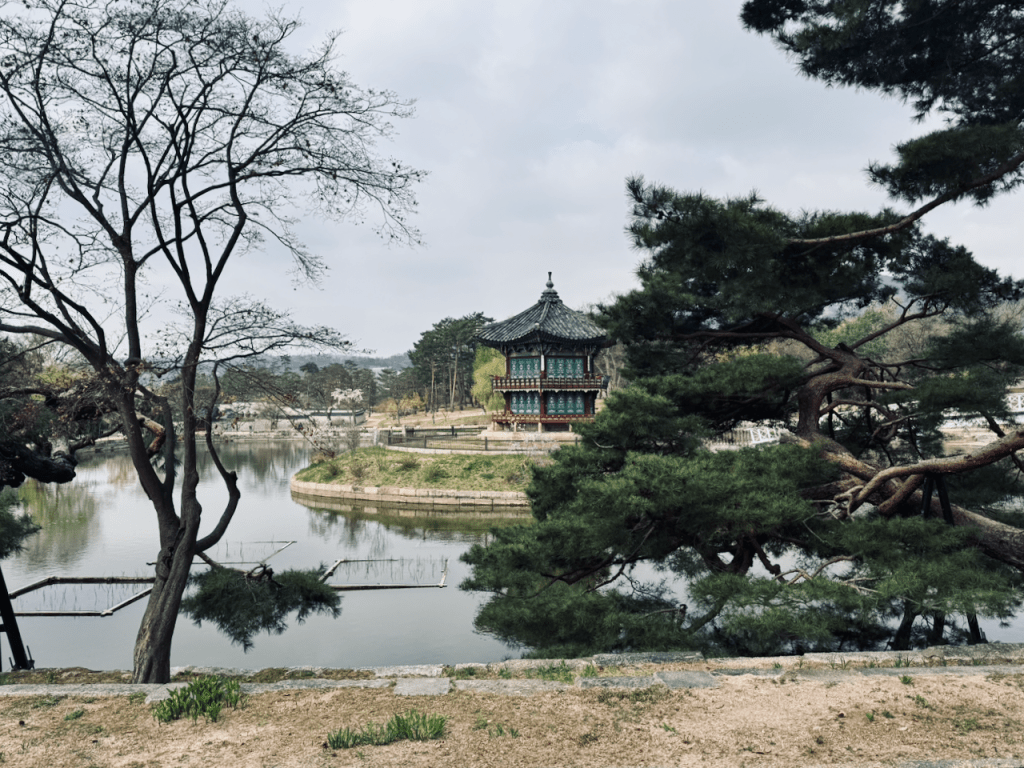
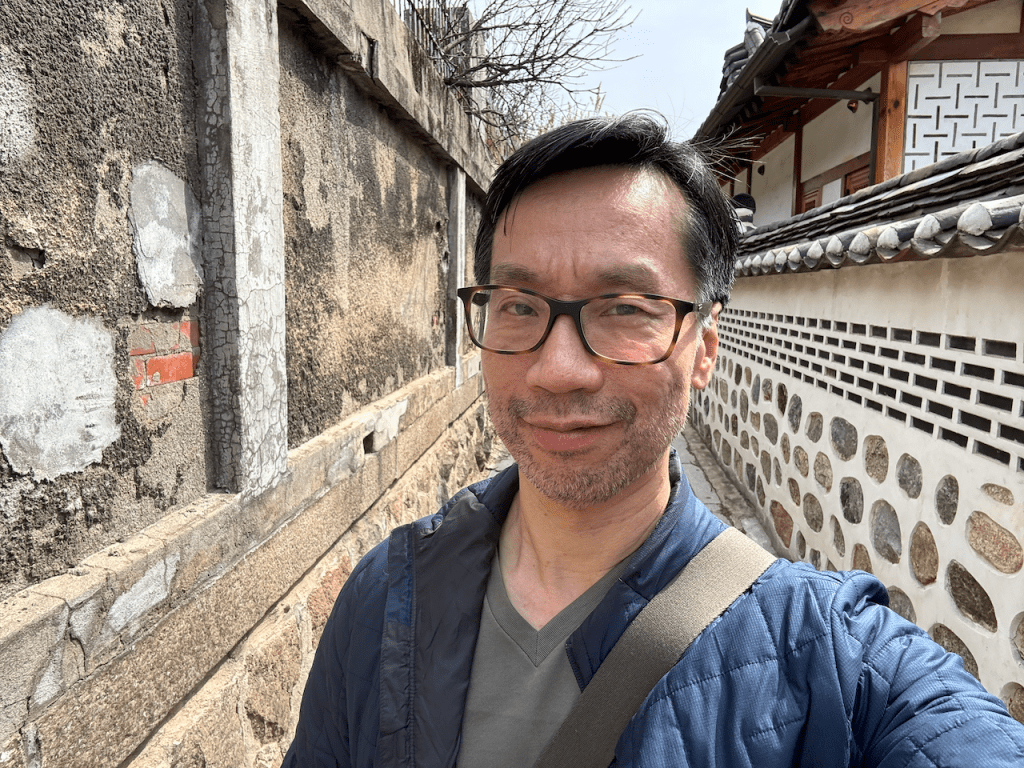
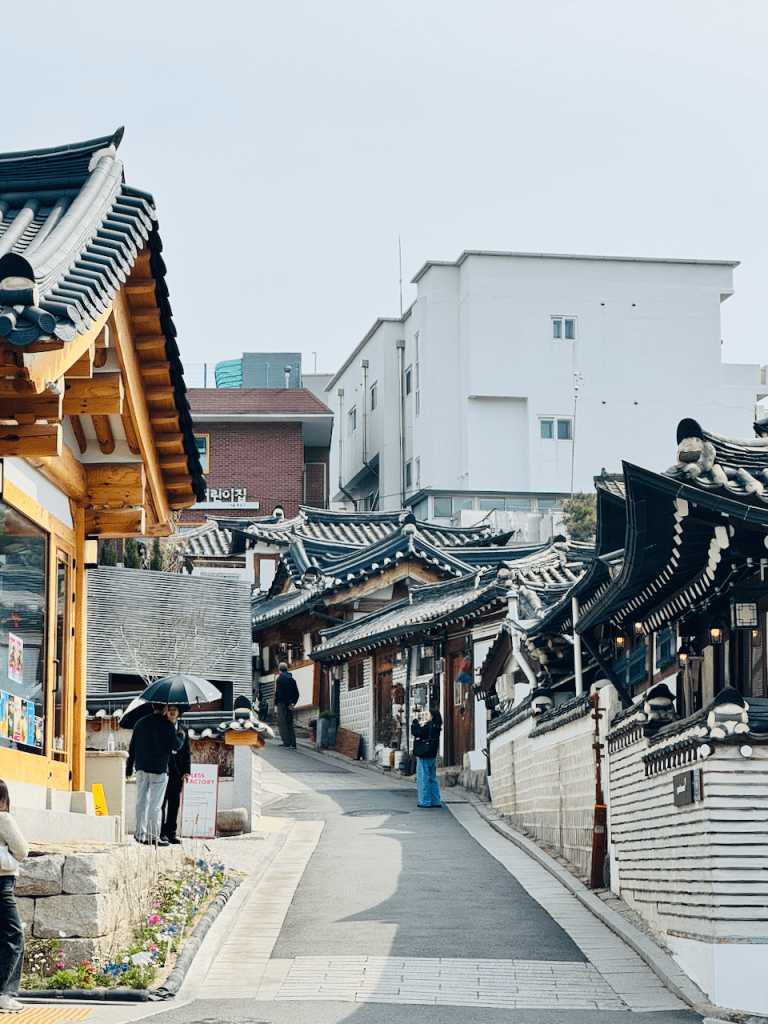
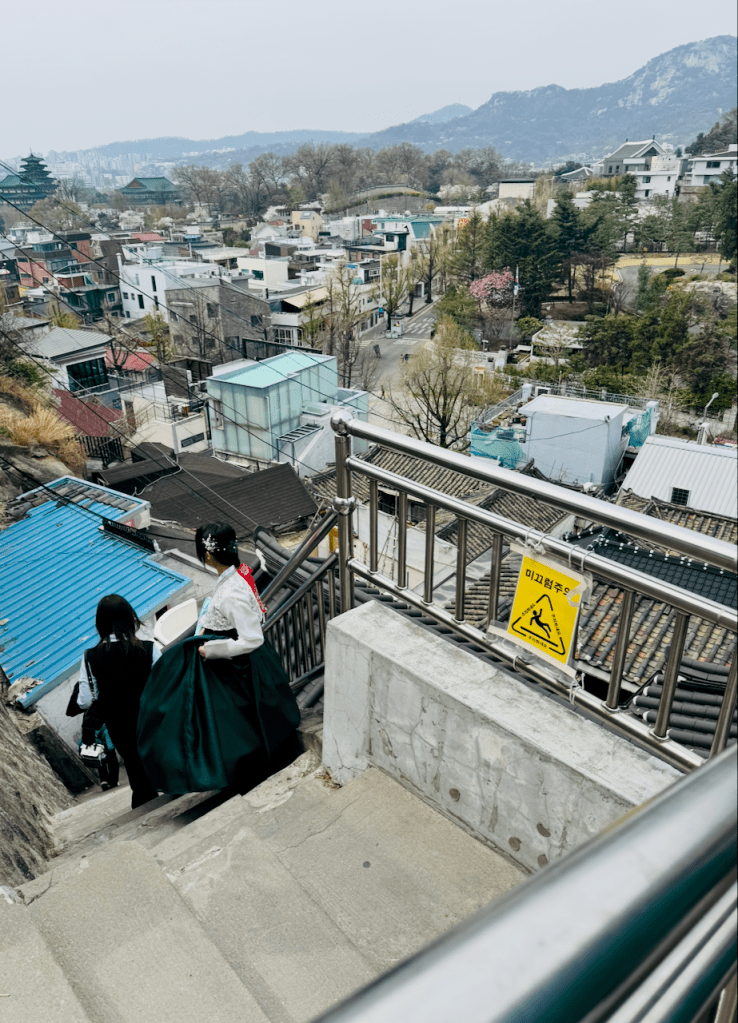
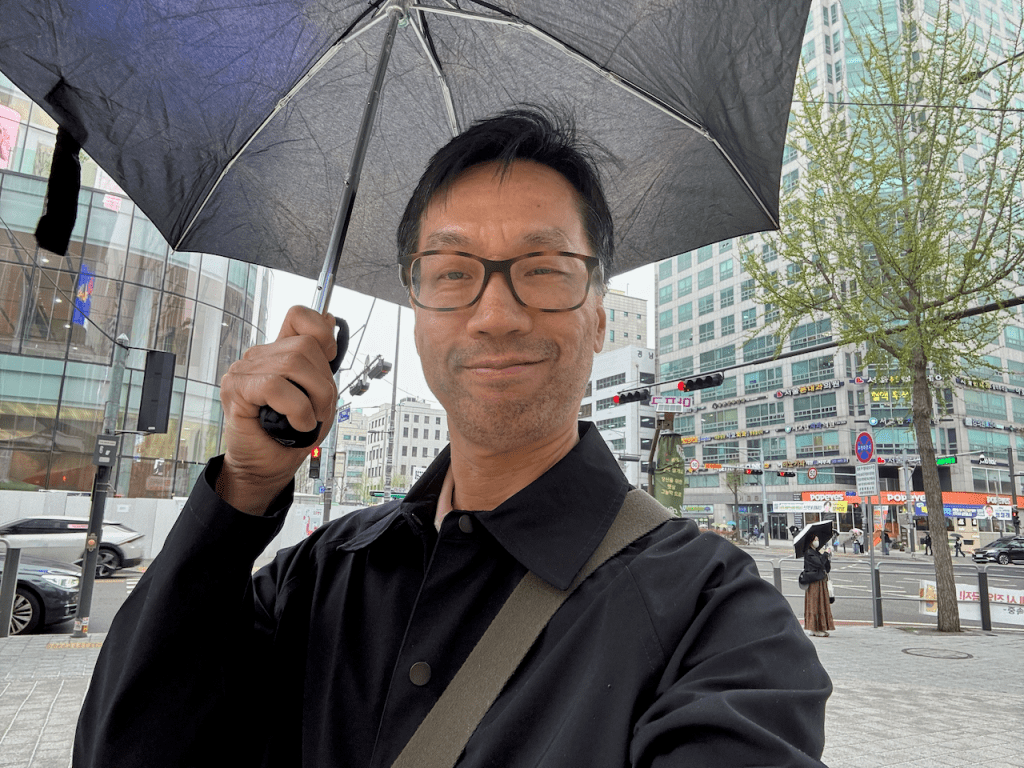
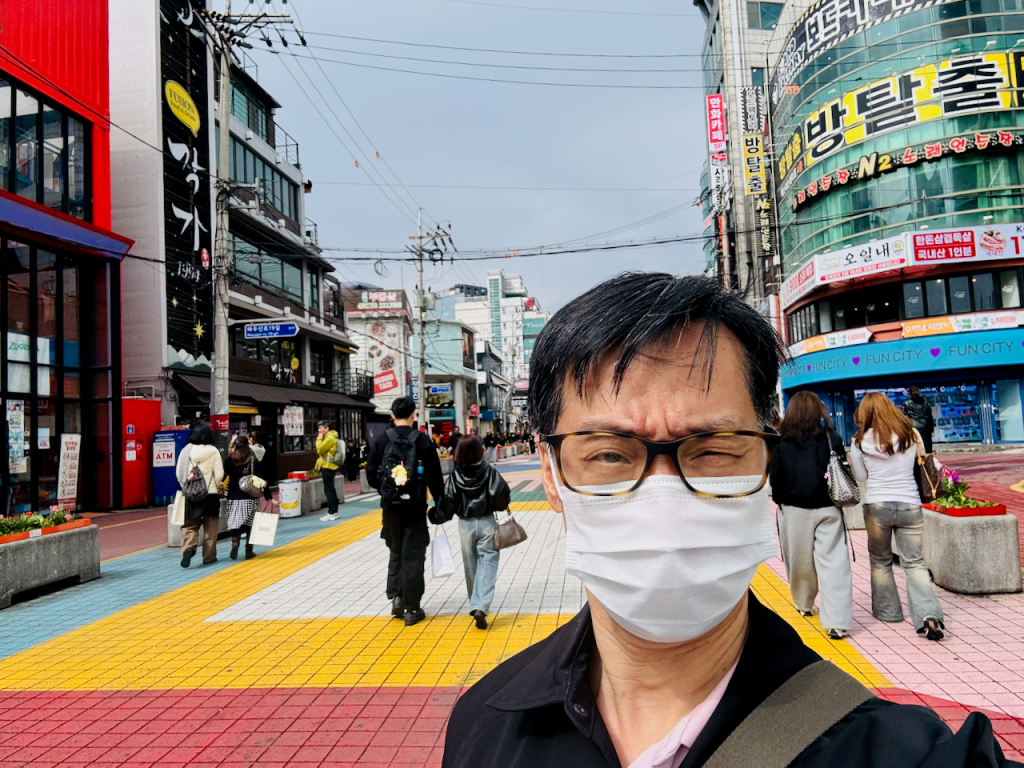
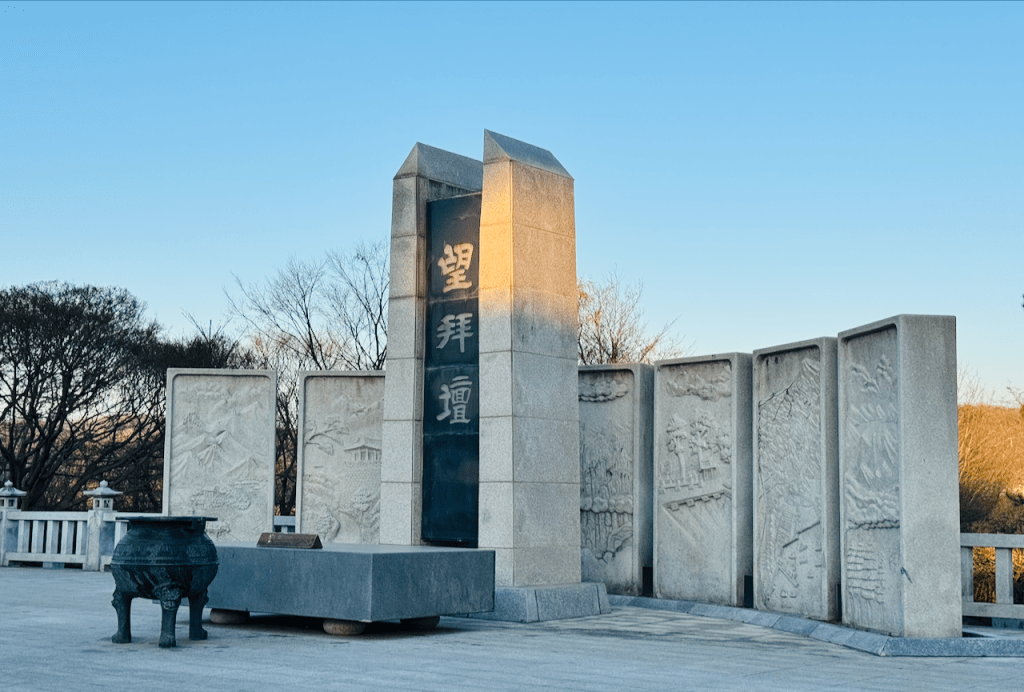
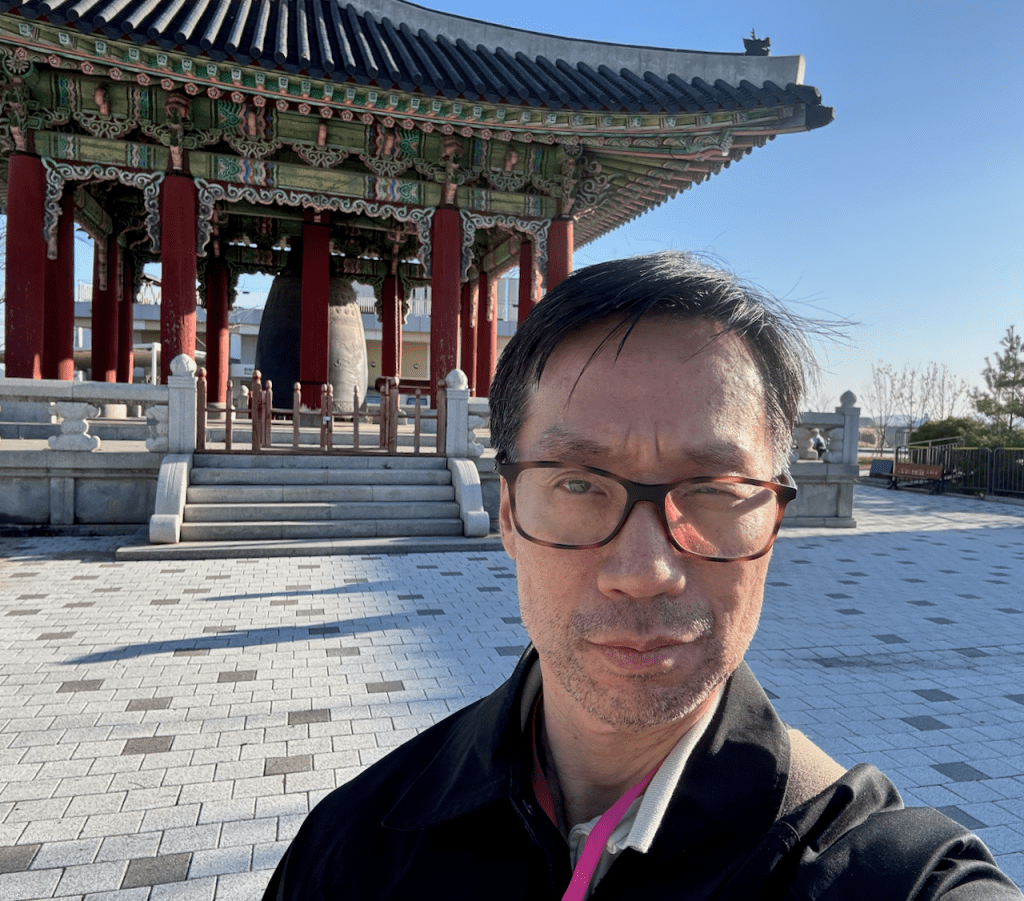
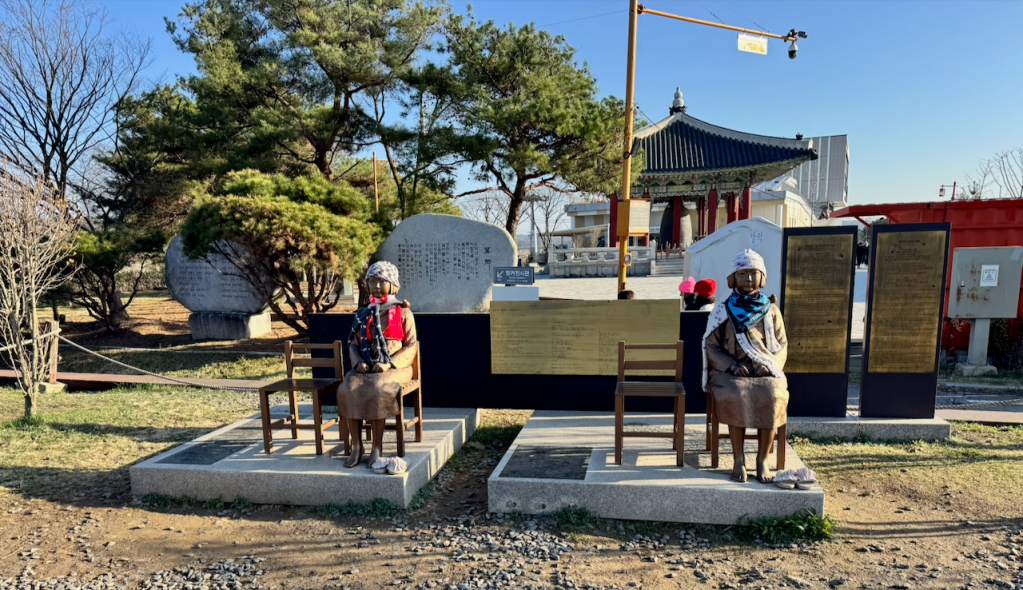
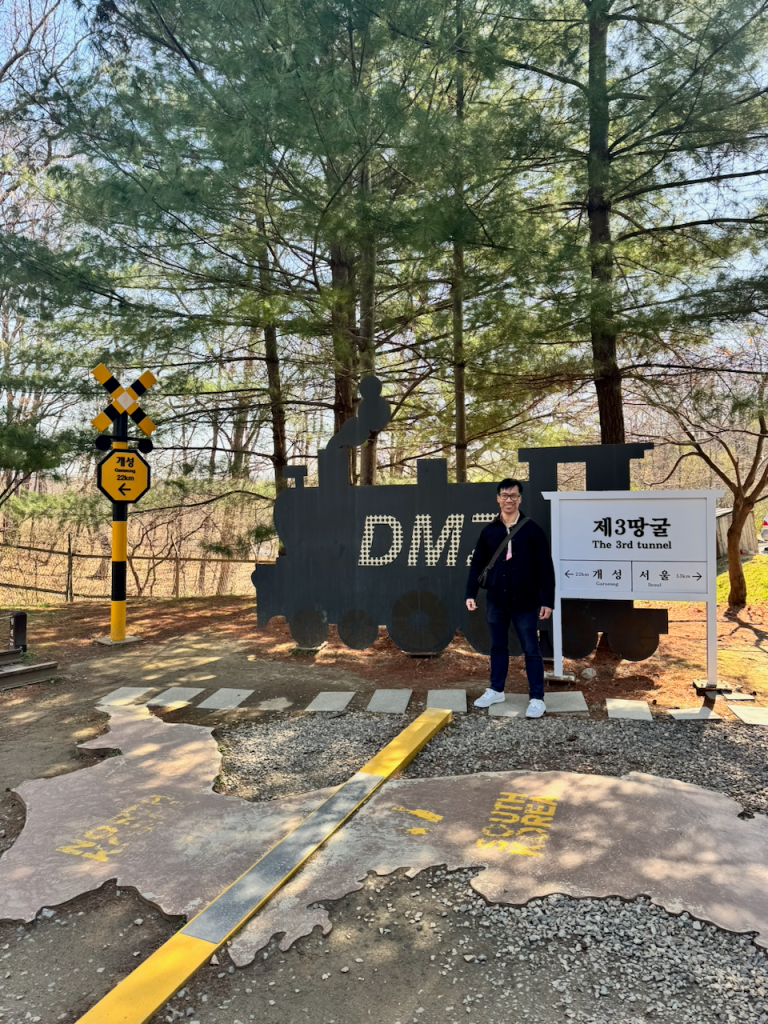
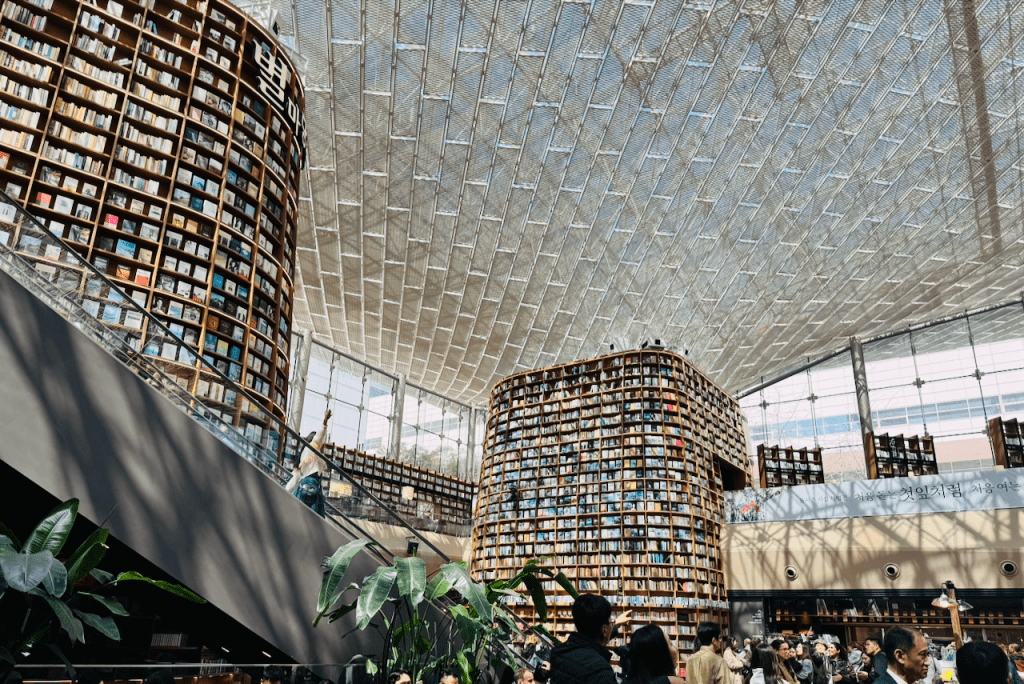
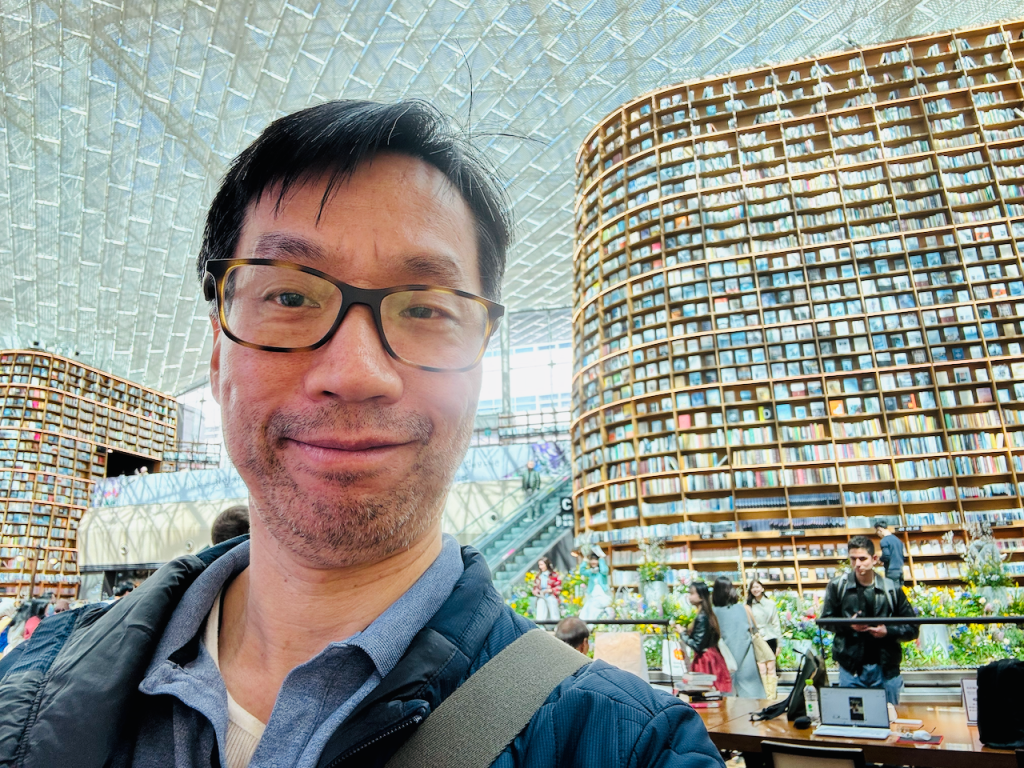
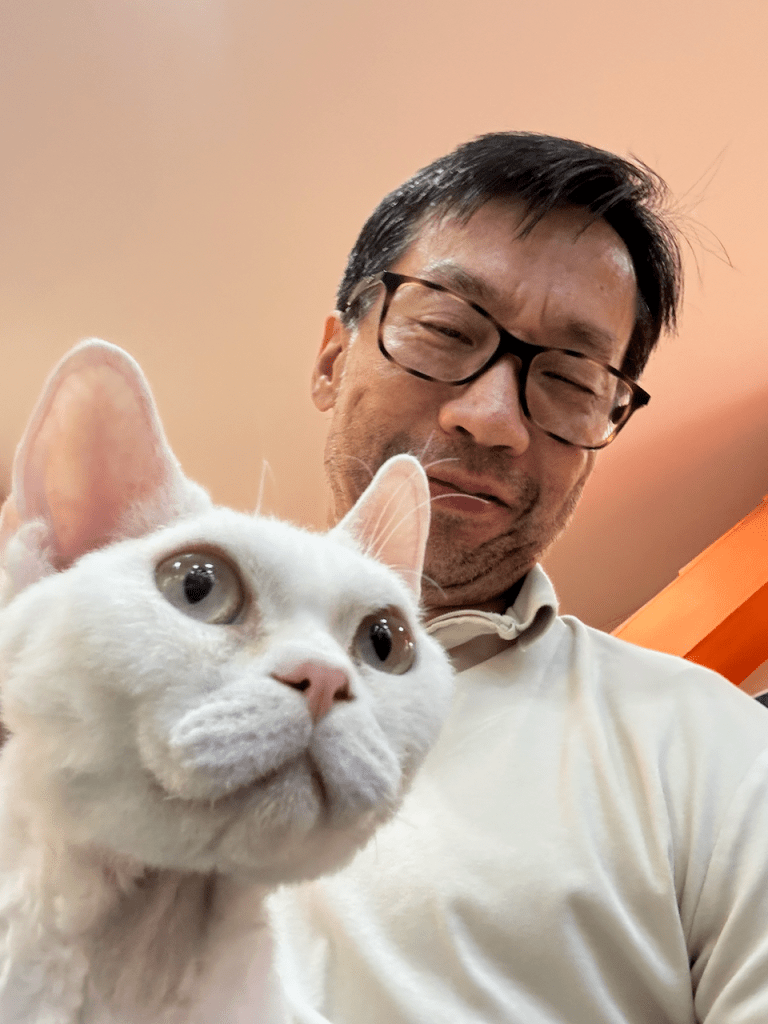
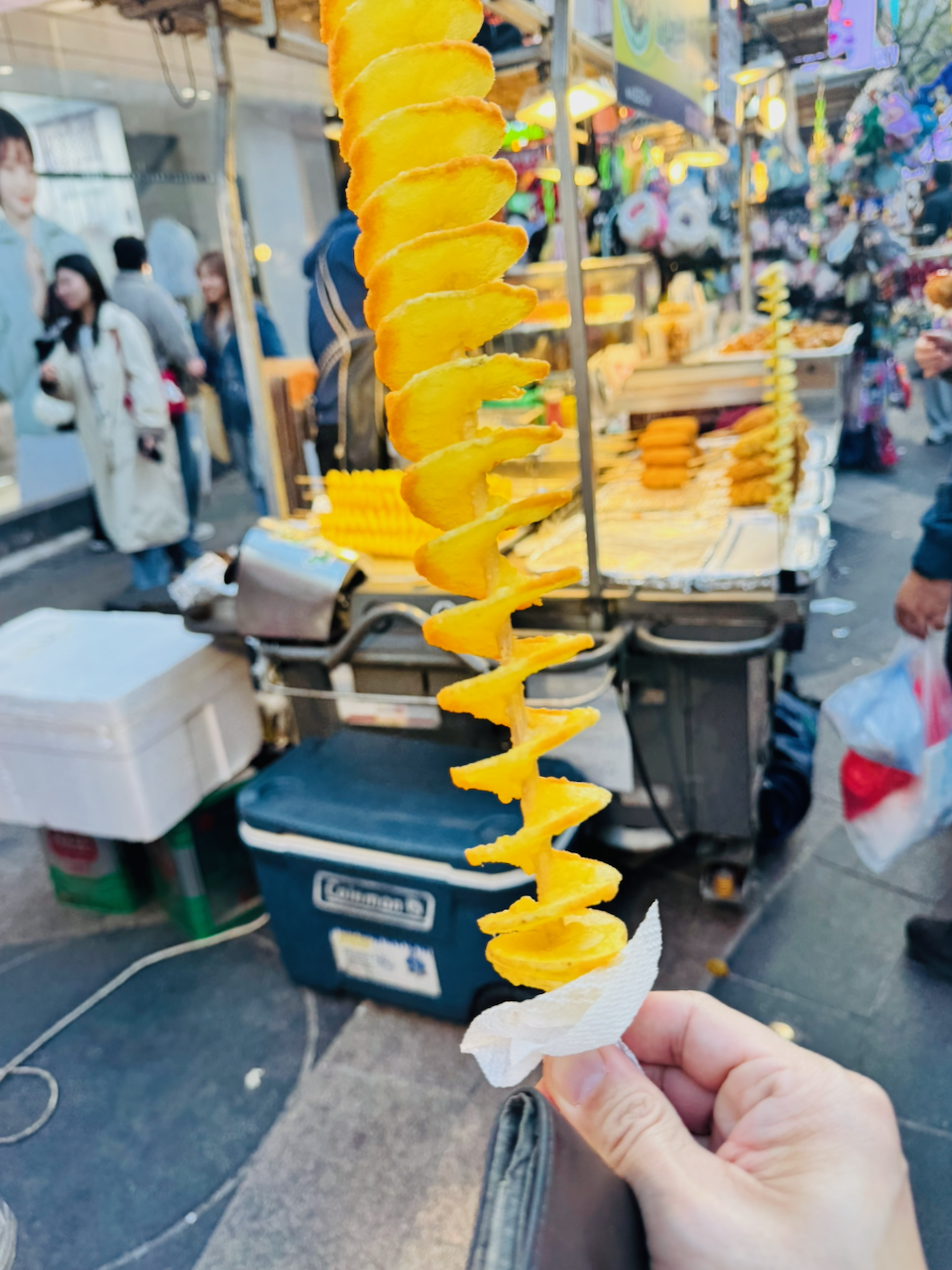
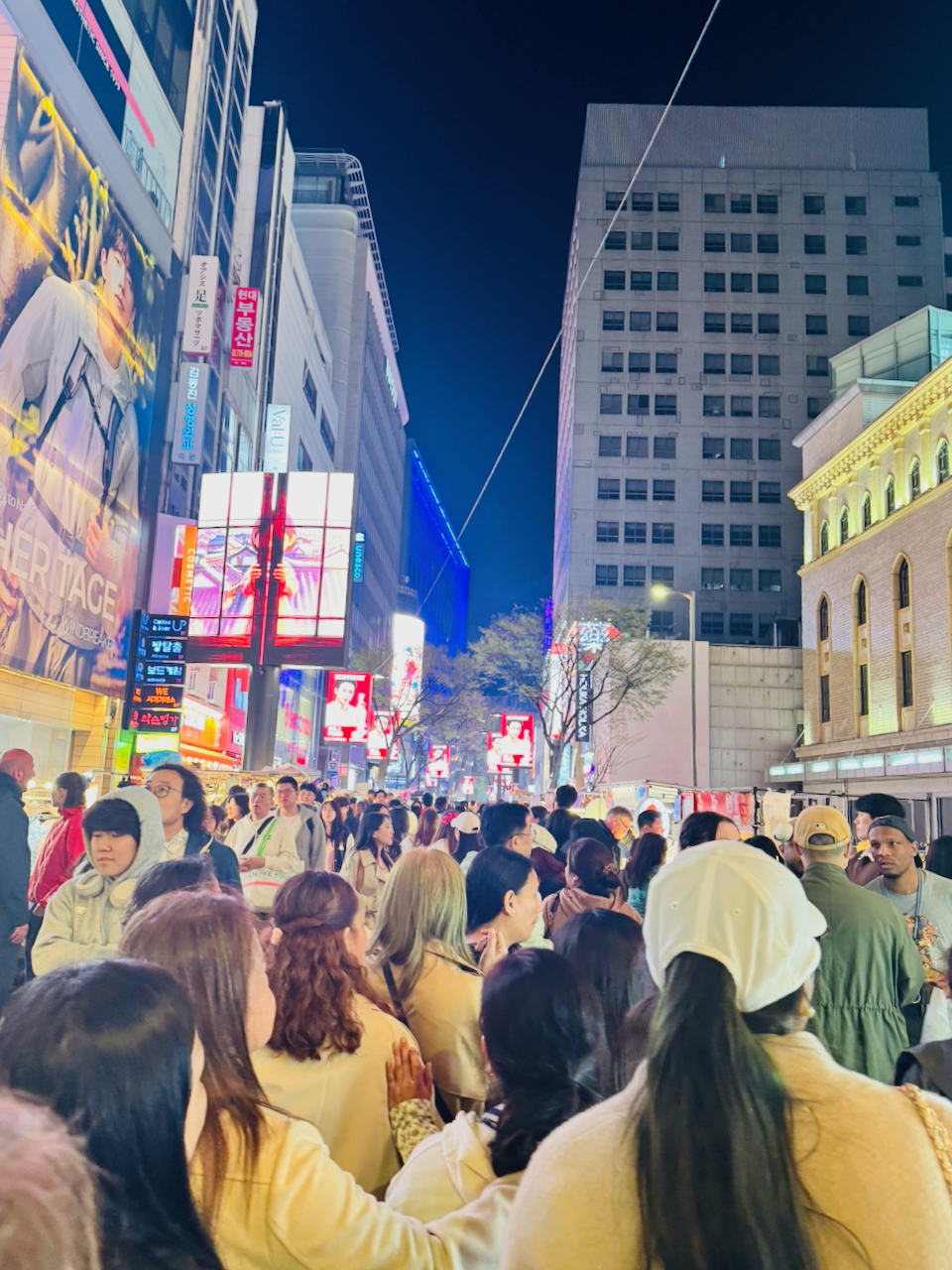
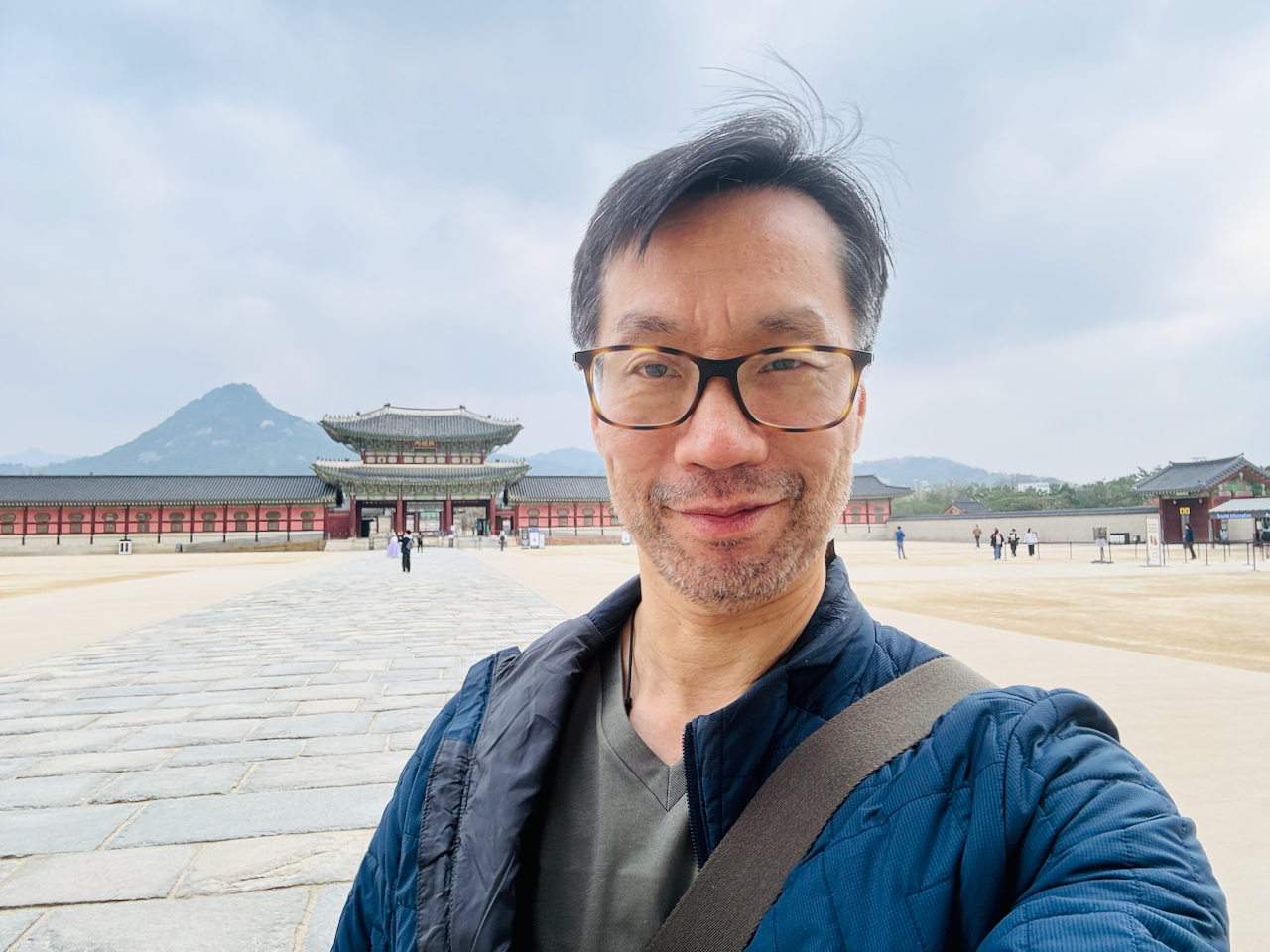
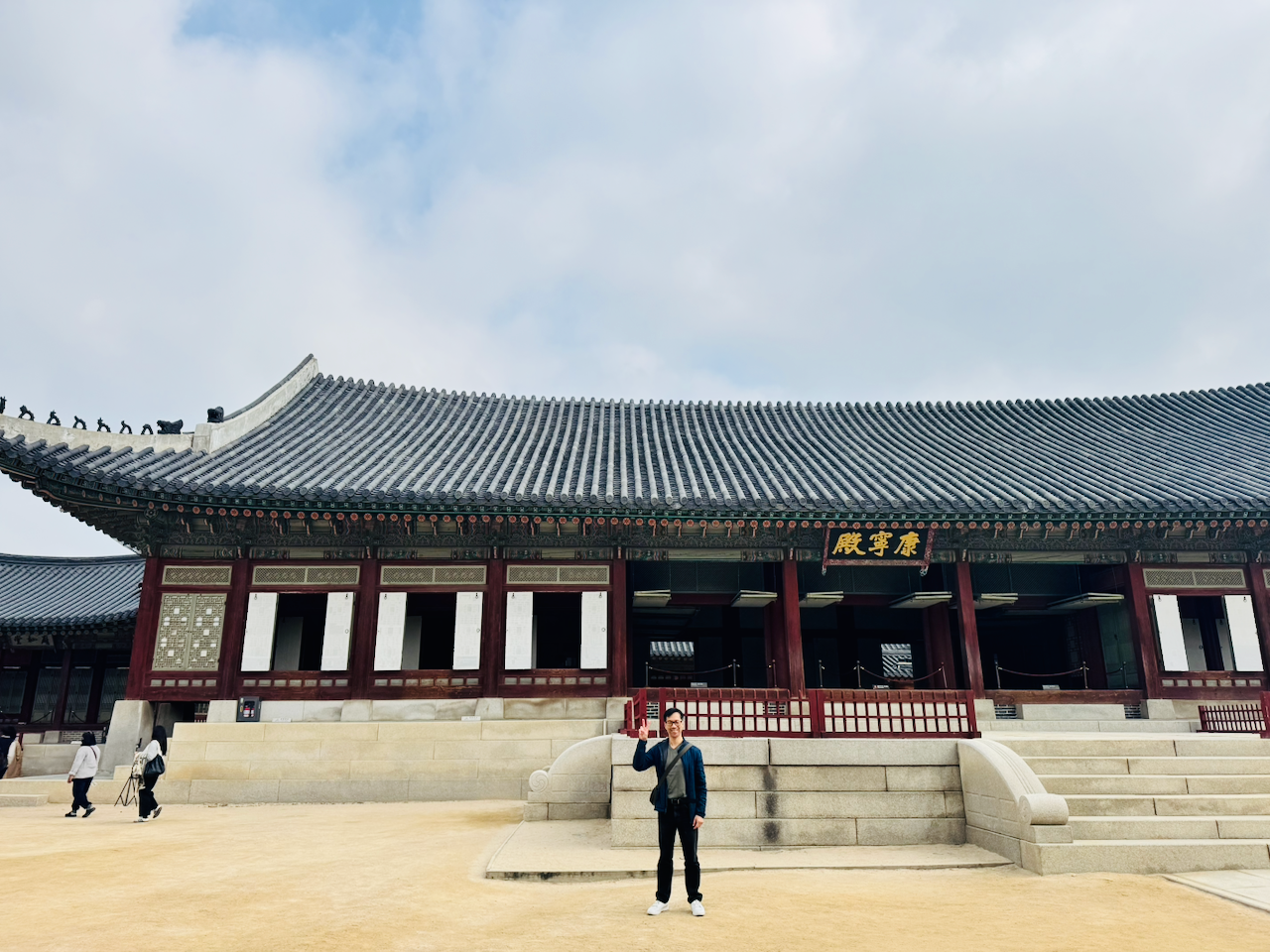
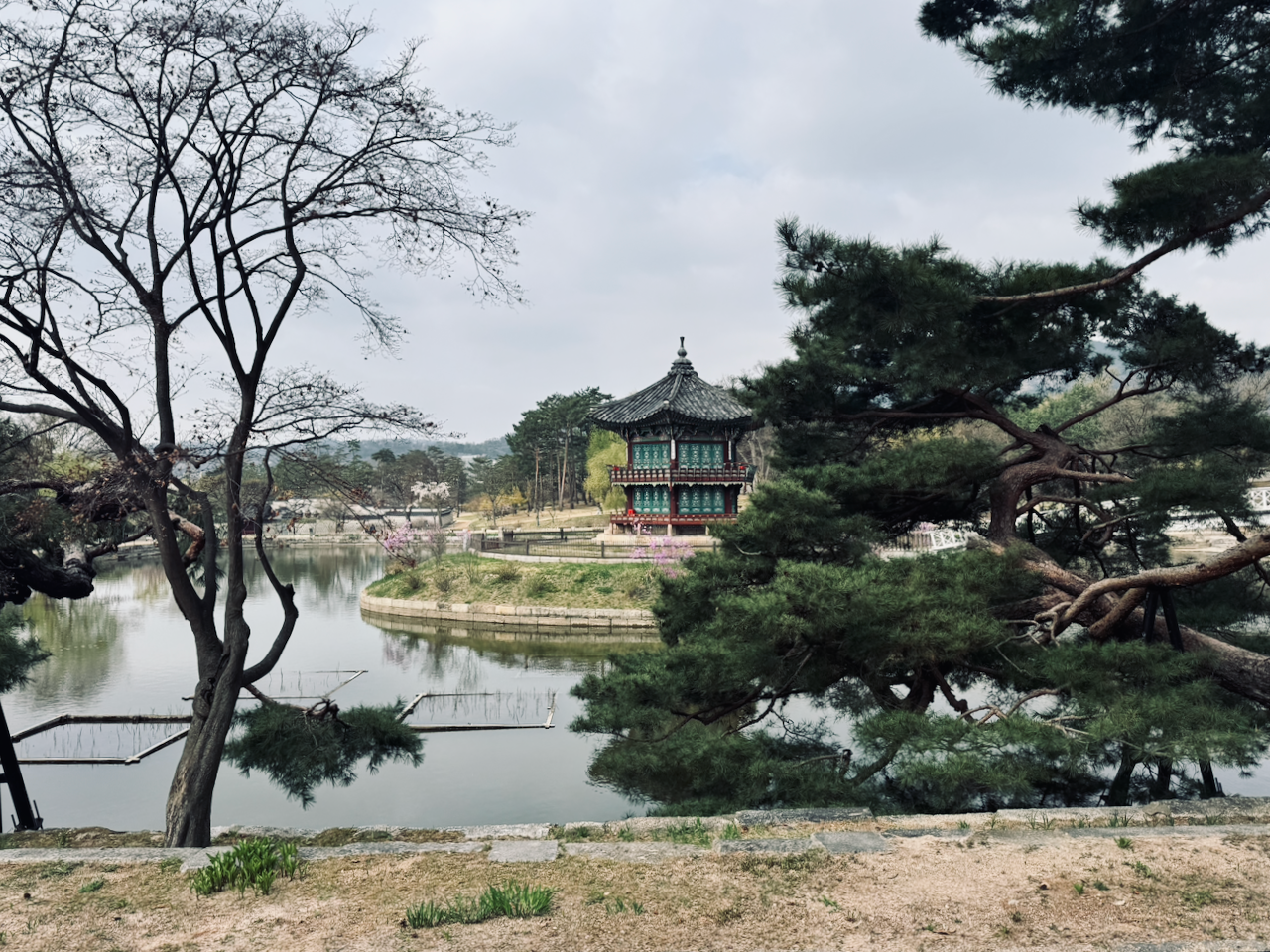
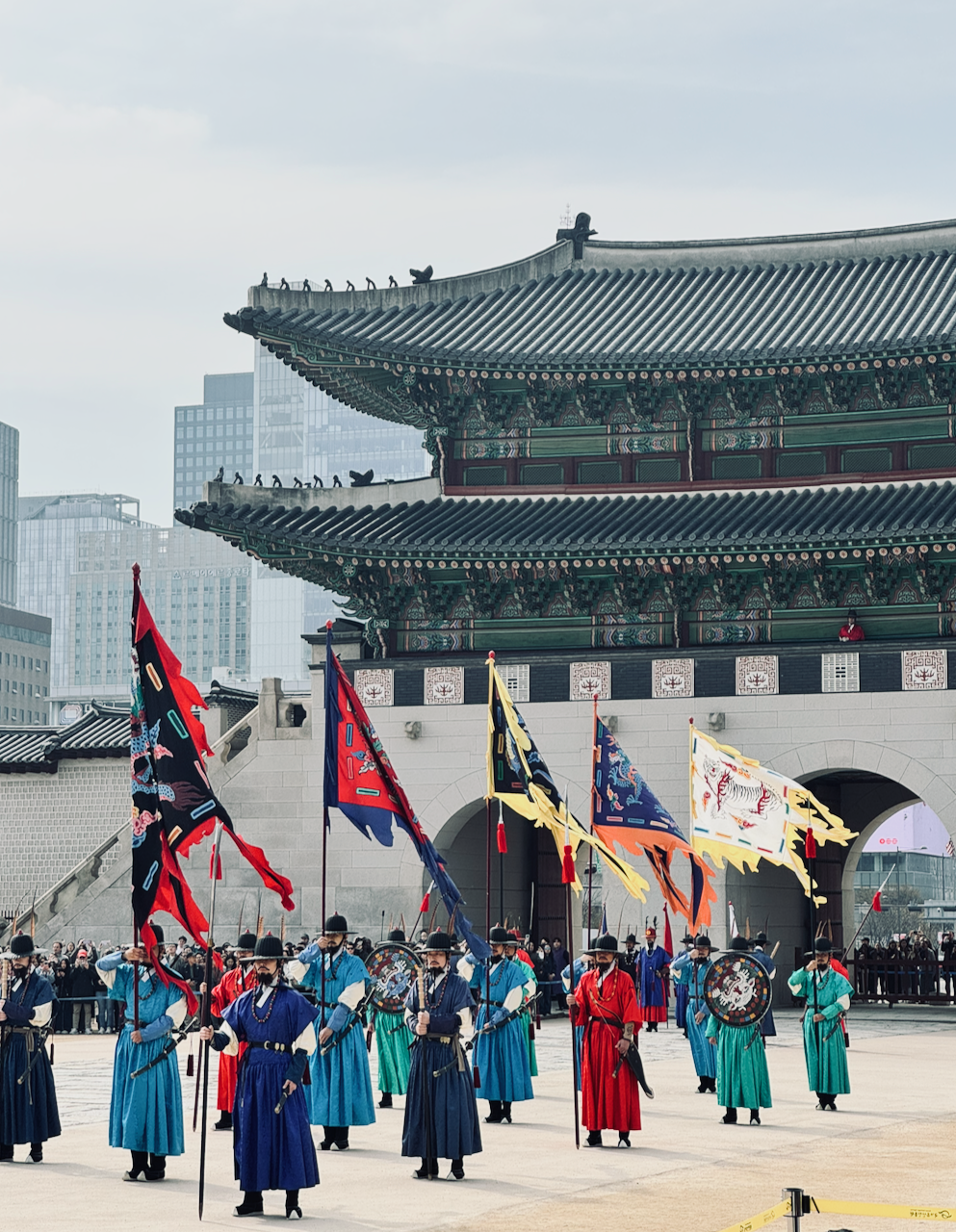
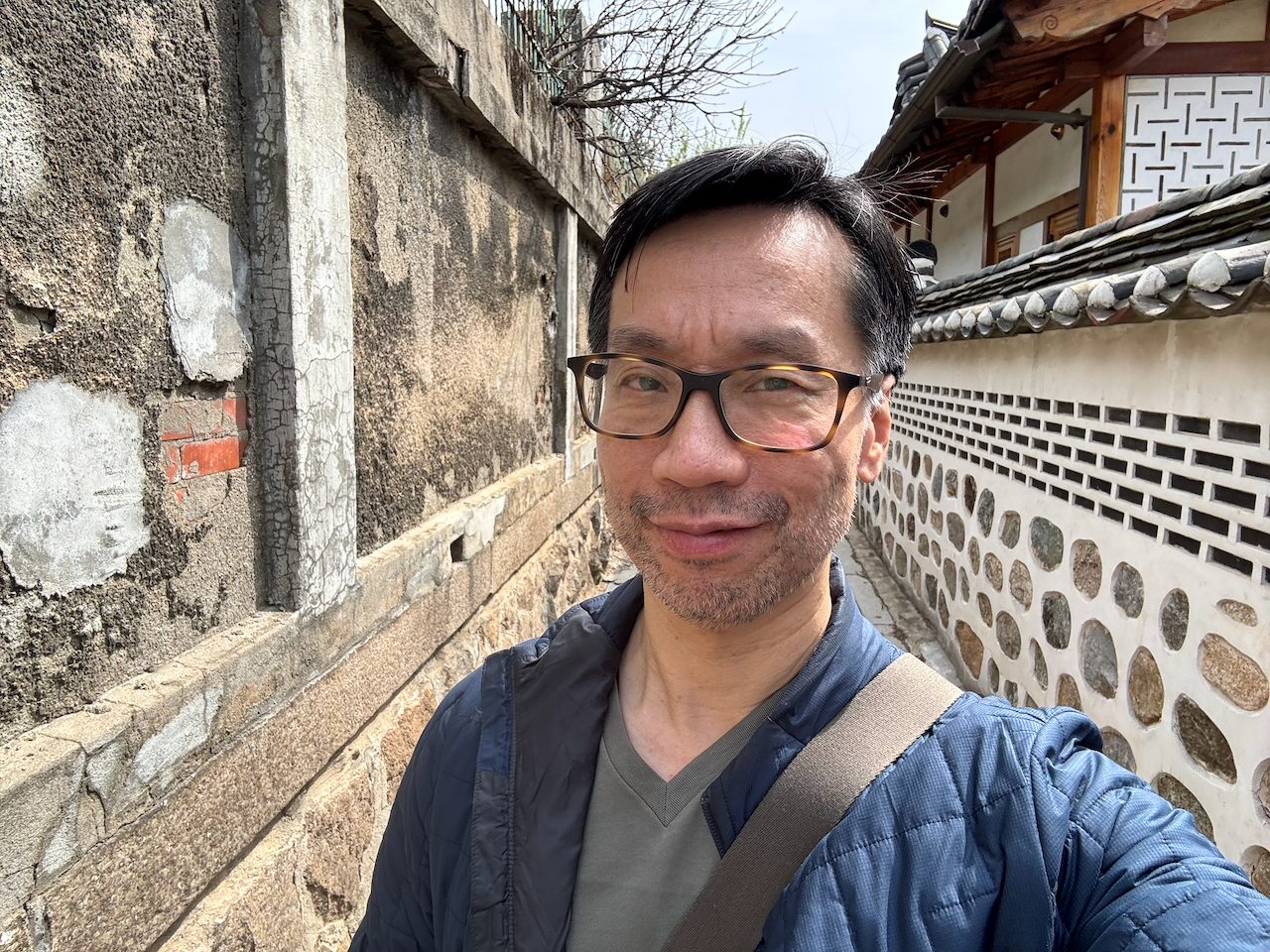
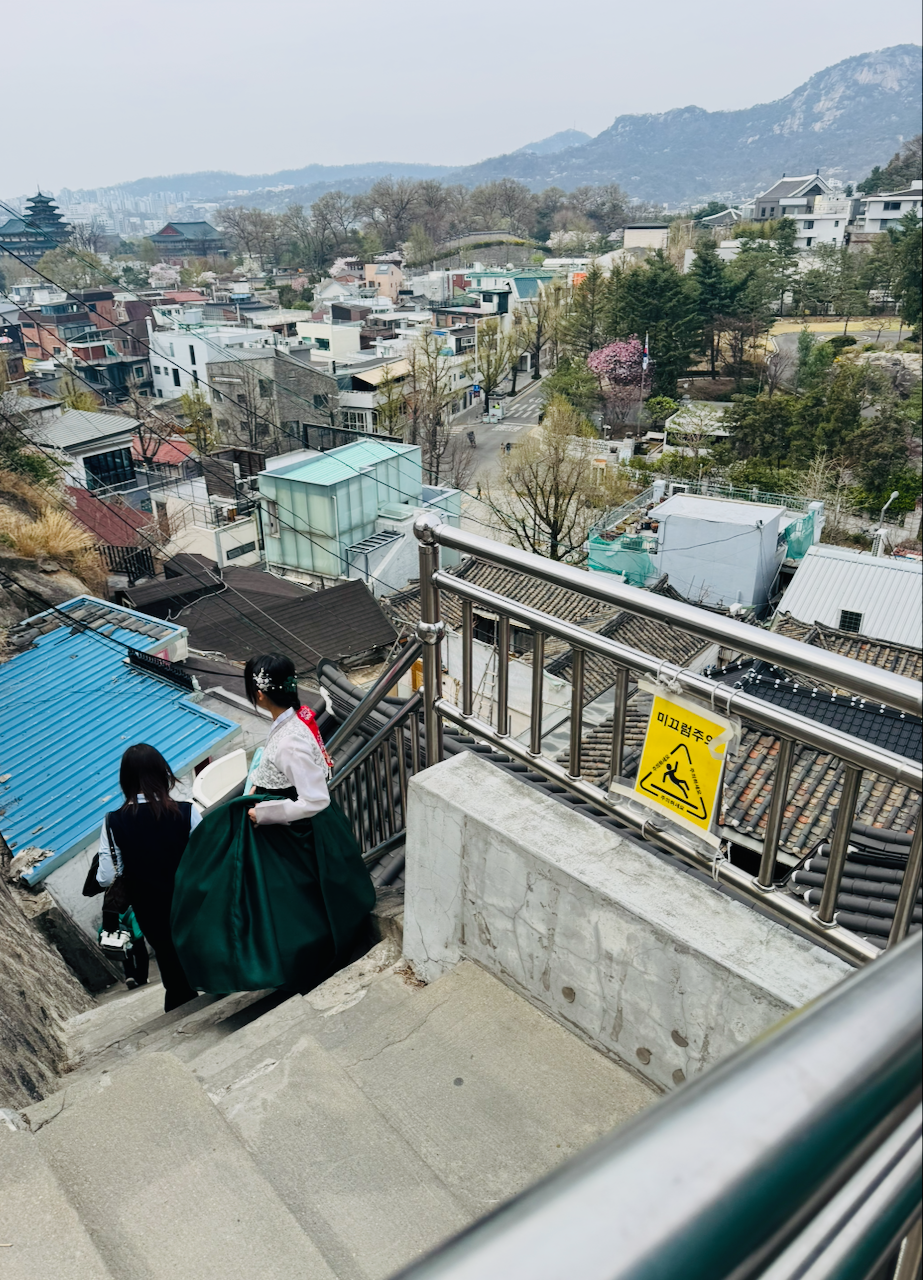
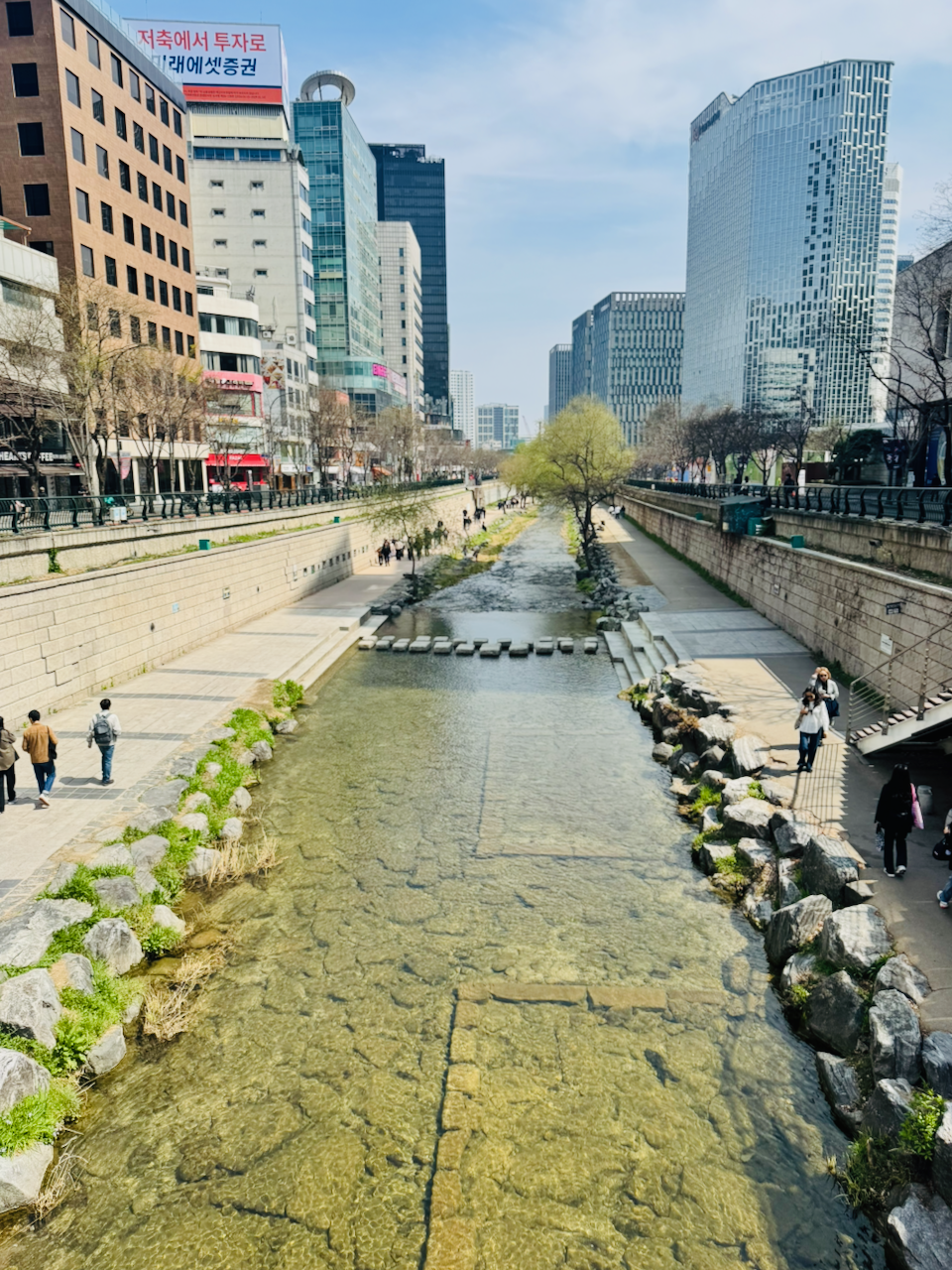
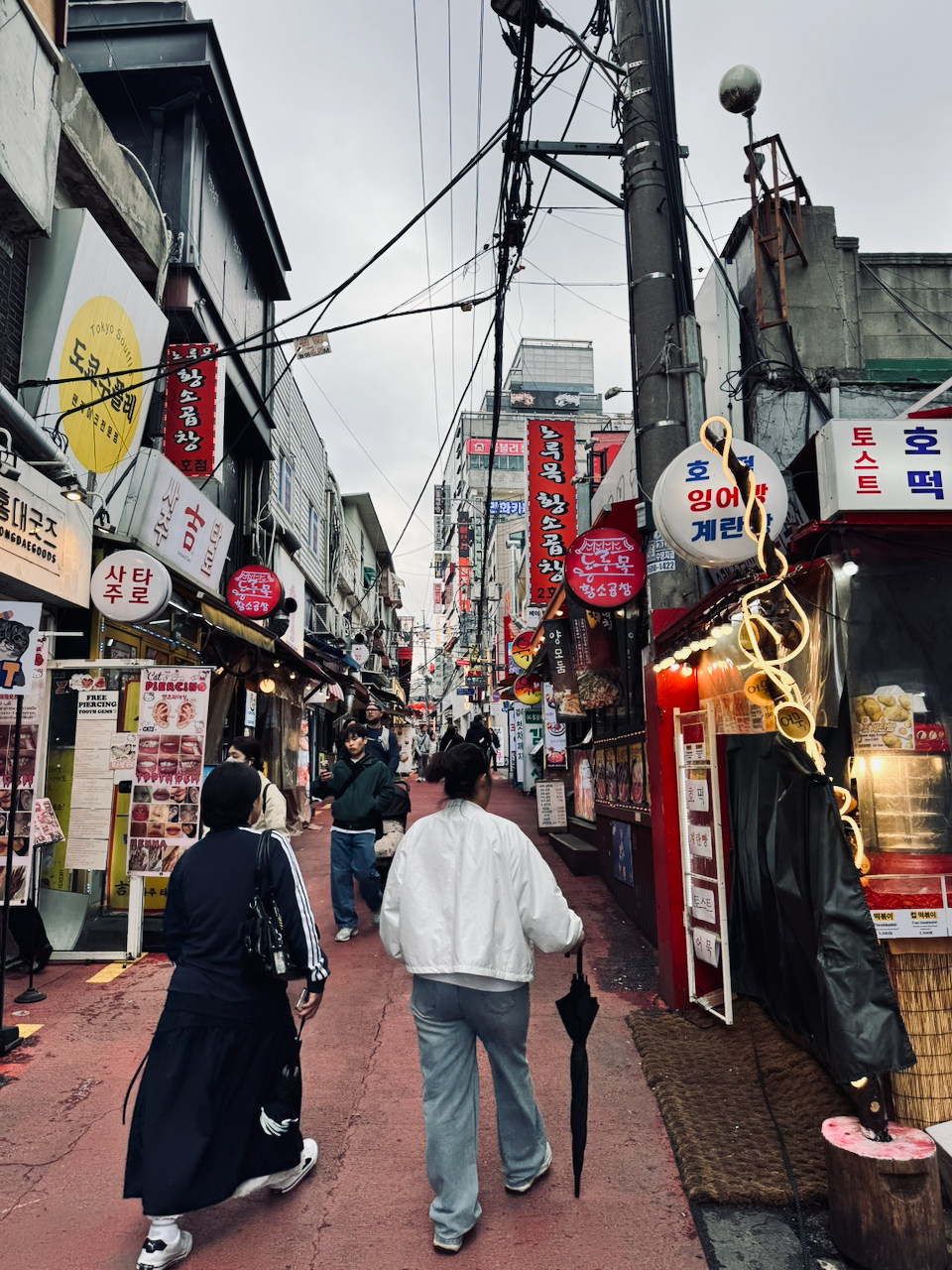
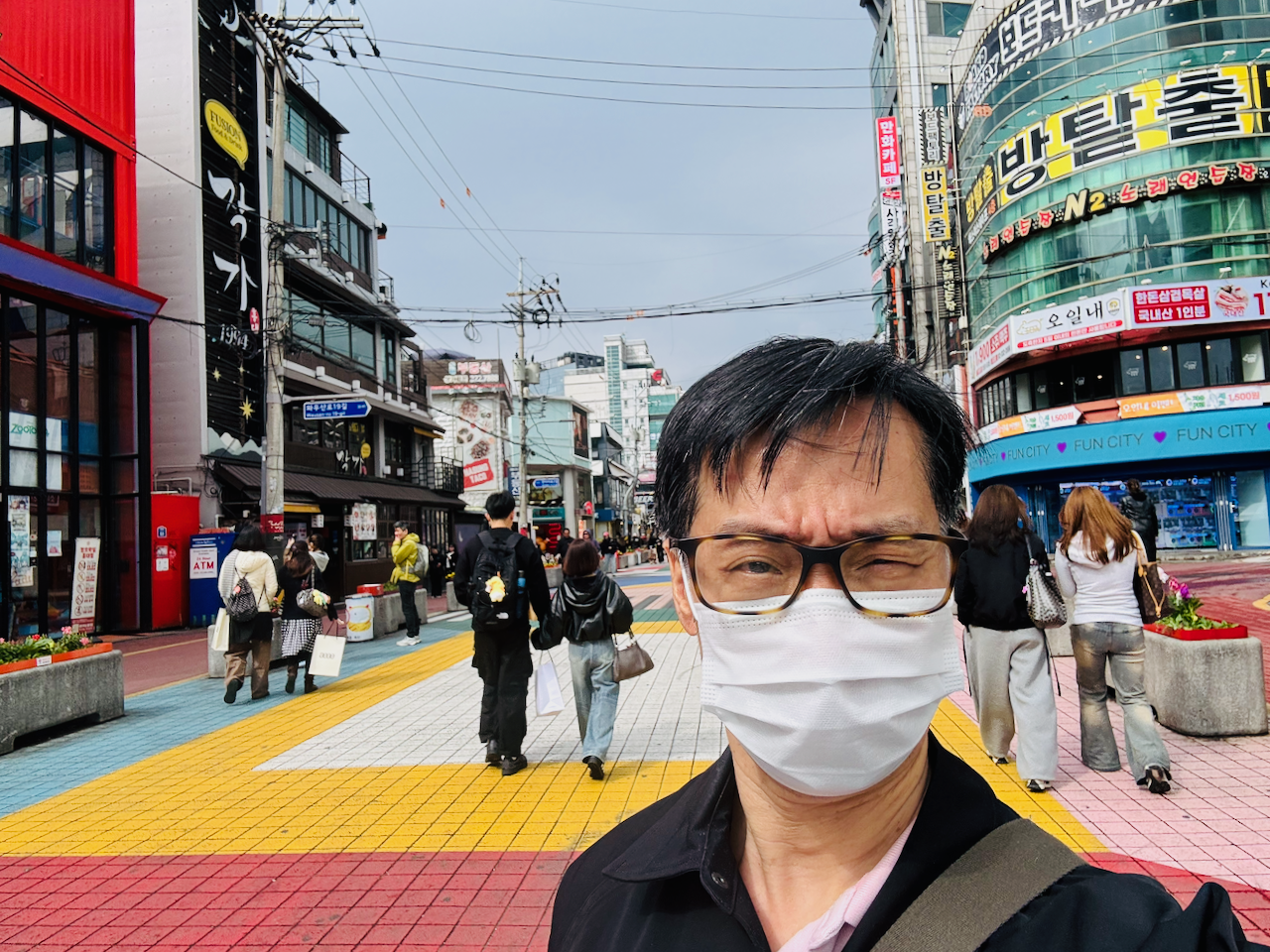
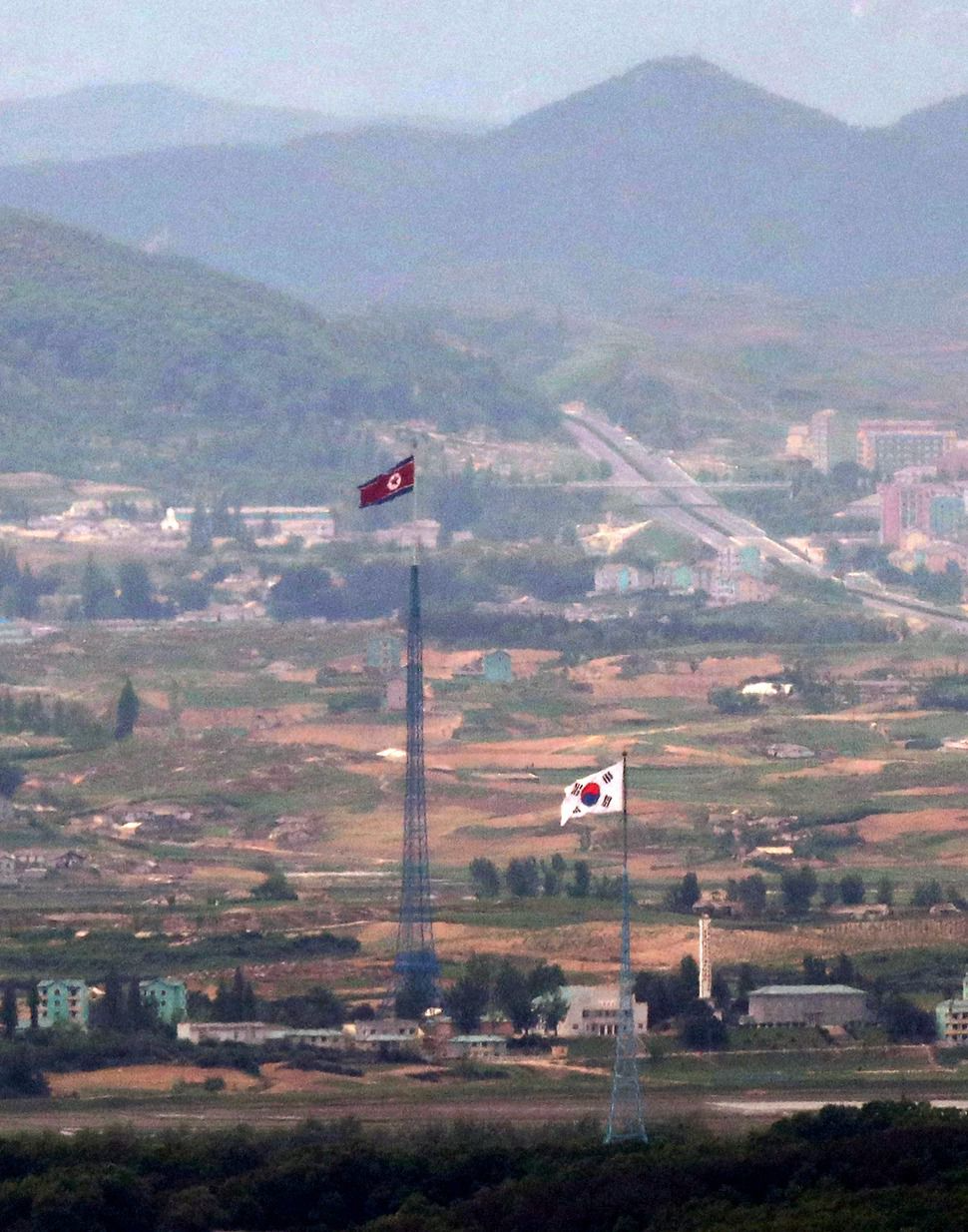
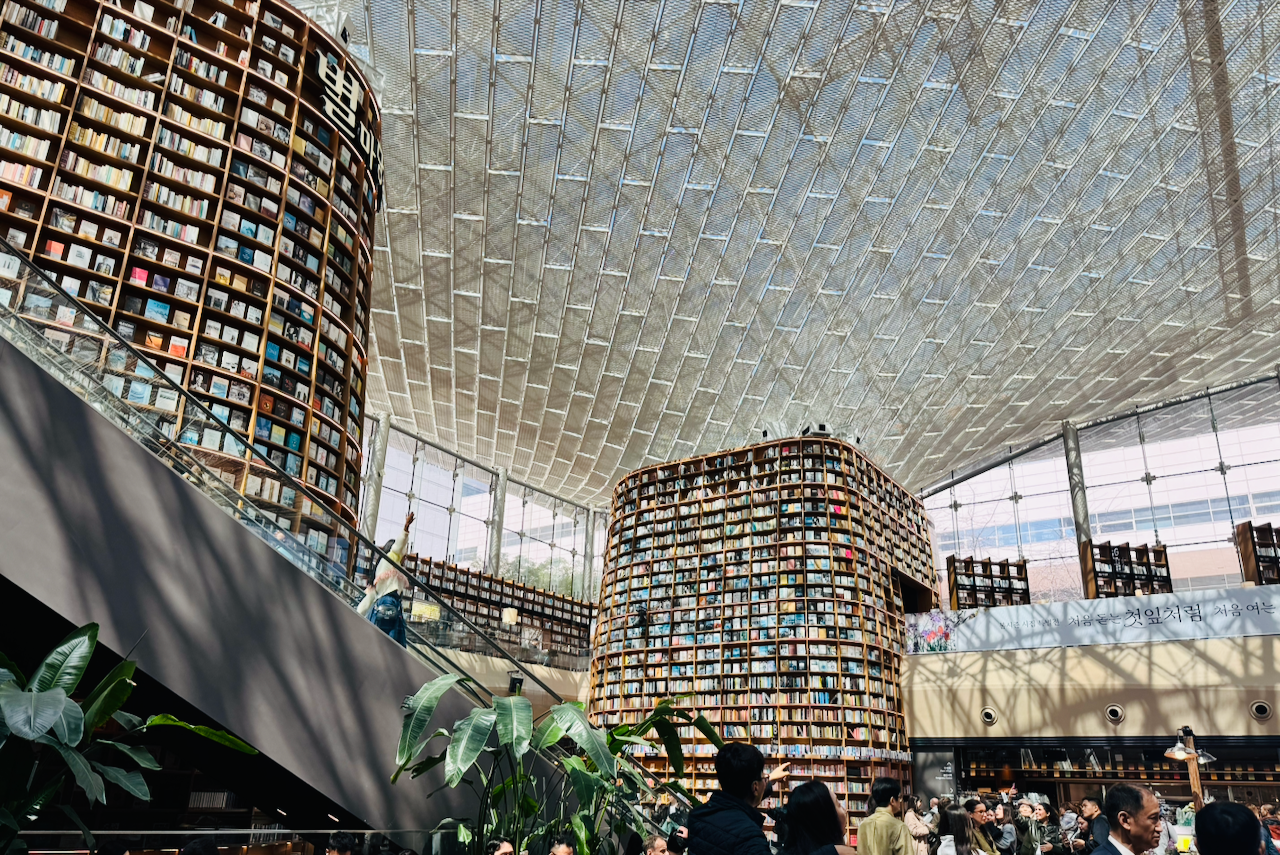
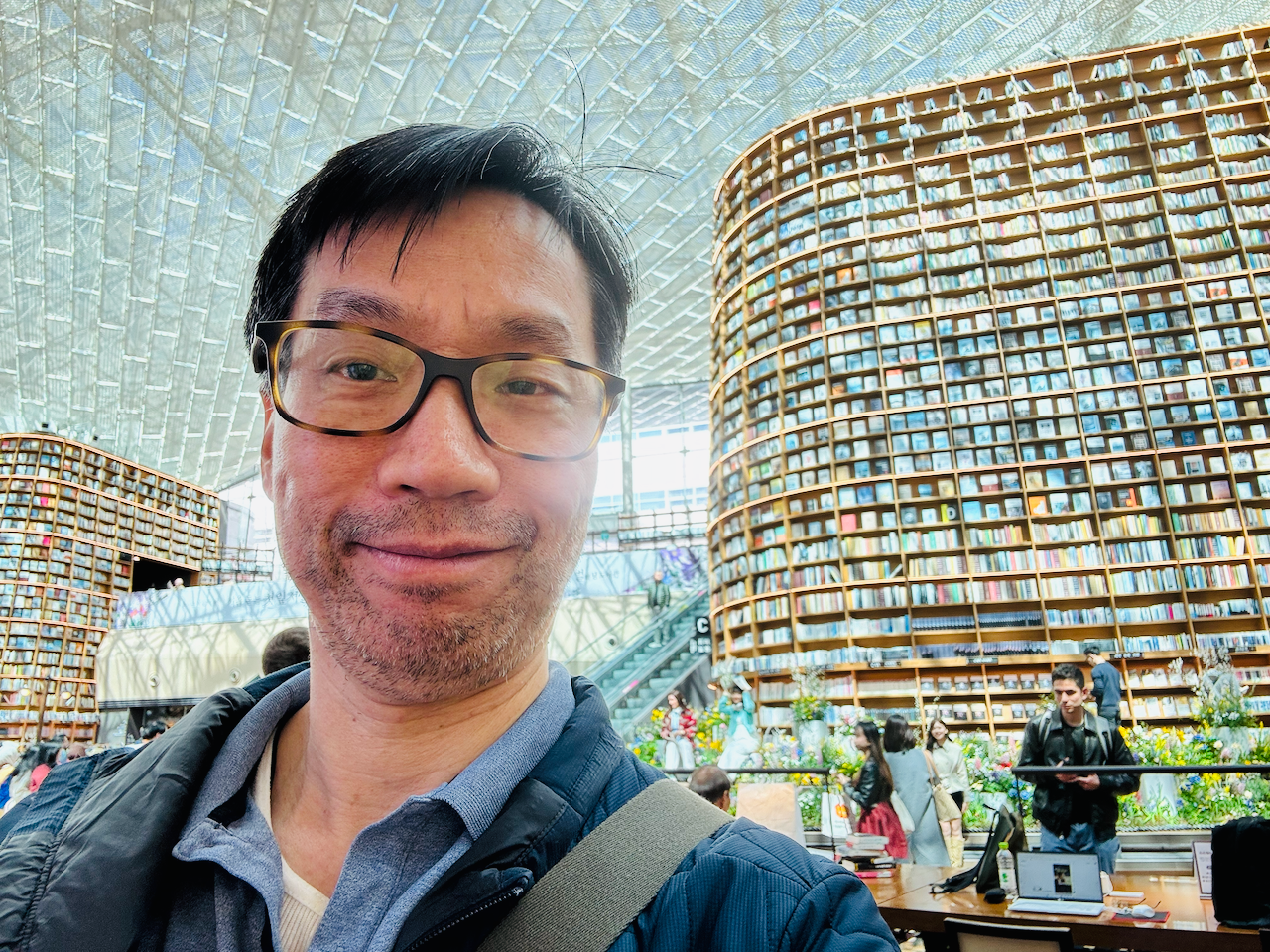
I finally posted my photos from my trip to Japan and Korea! Sorry it took so long. And of course, because I’m a stickler for chronological ordering, I retroactively dated the posts!
Catching Bad Guys with Math
Thoughts from a retired cybersecurity AI leader.
-

-
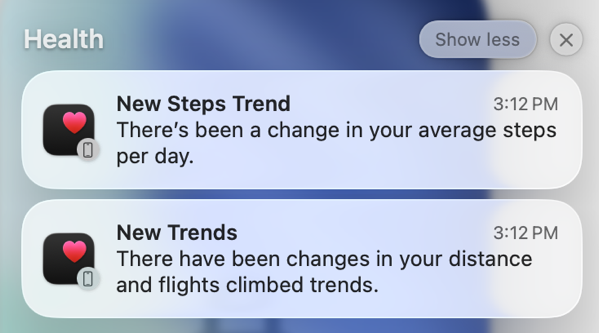
I’m back from a great trip to Japan and Korea. I’ll post photos soon, but in the mean time, I had to share these hilarious screenshots from Apple Health about two weeks into my trip.
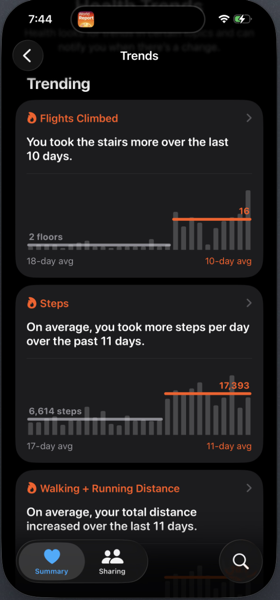
It’s almost hilarious looking at this graphs how much of a step-function change it was between how much walking happened in Japan and Korea, versus back home in Canada. I climbed 8x more flights of stairs and walked nearly 3x more steps while in Tokyo, Osaka and Seoul compared to my normal daily life in Toronto!
While there were probably multiple reasons for this, I believe the biggest reason was their amazing subways. It’s easier to move around these major cities in Japan and Korea by taking their consistently excellent, efficient and punctual subway systems, rather than try to take a car. I definitely noticed that most of the locals took trains to get around over battling traffic.
I especially appreciated Japan’s subway UX. Even though it’s incredibly complex, I was never lost or confused taking the trains in Tokyo or Osaka. The consistent use of colors, fonts, labels, and visualizations made it easy after just a couple of rides for my brain to start recognizing the patterns. Similarly, I found Seoul’s subway system easy to navigate, with lines, platforms and exits all clearly and consistently labeled.
-
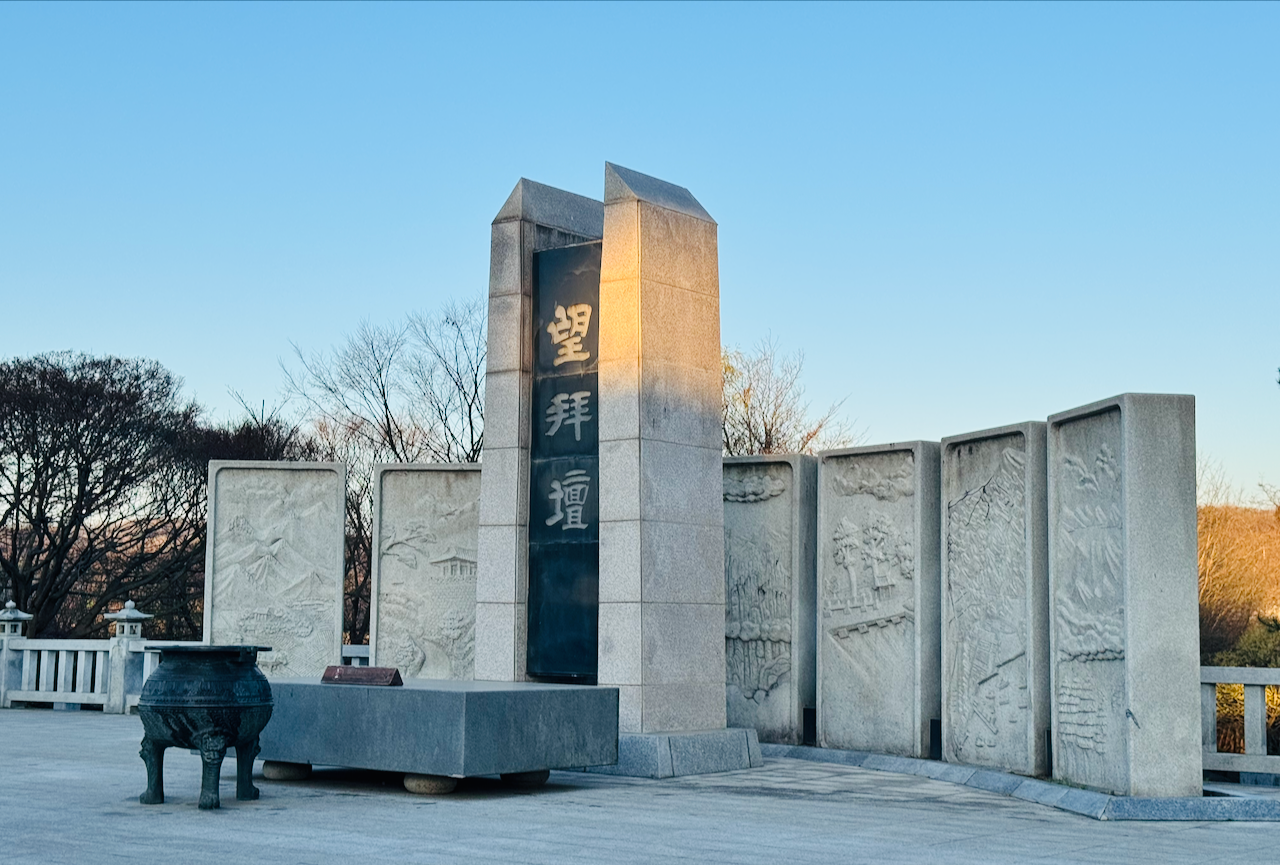
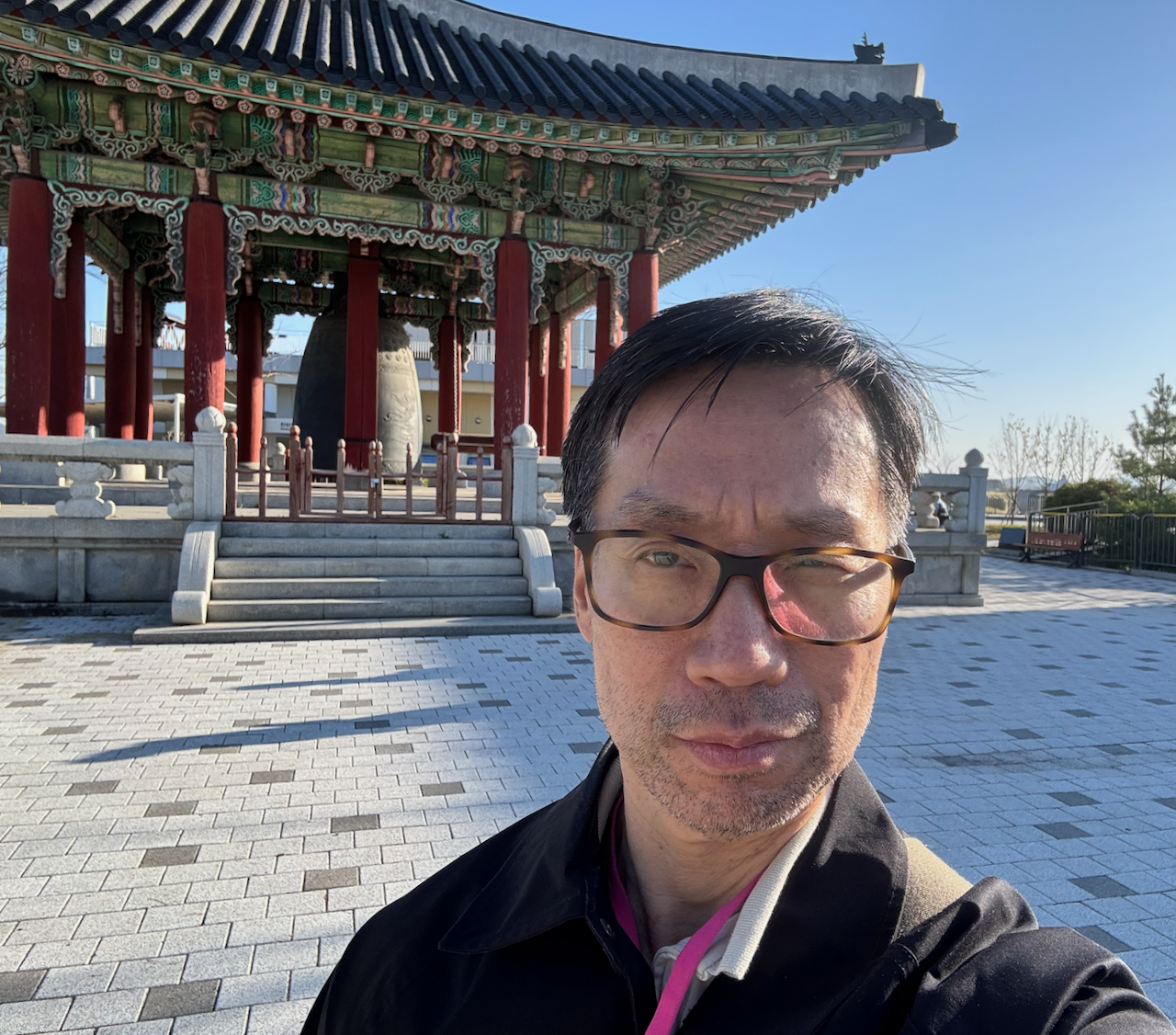
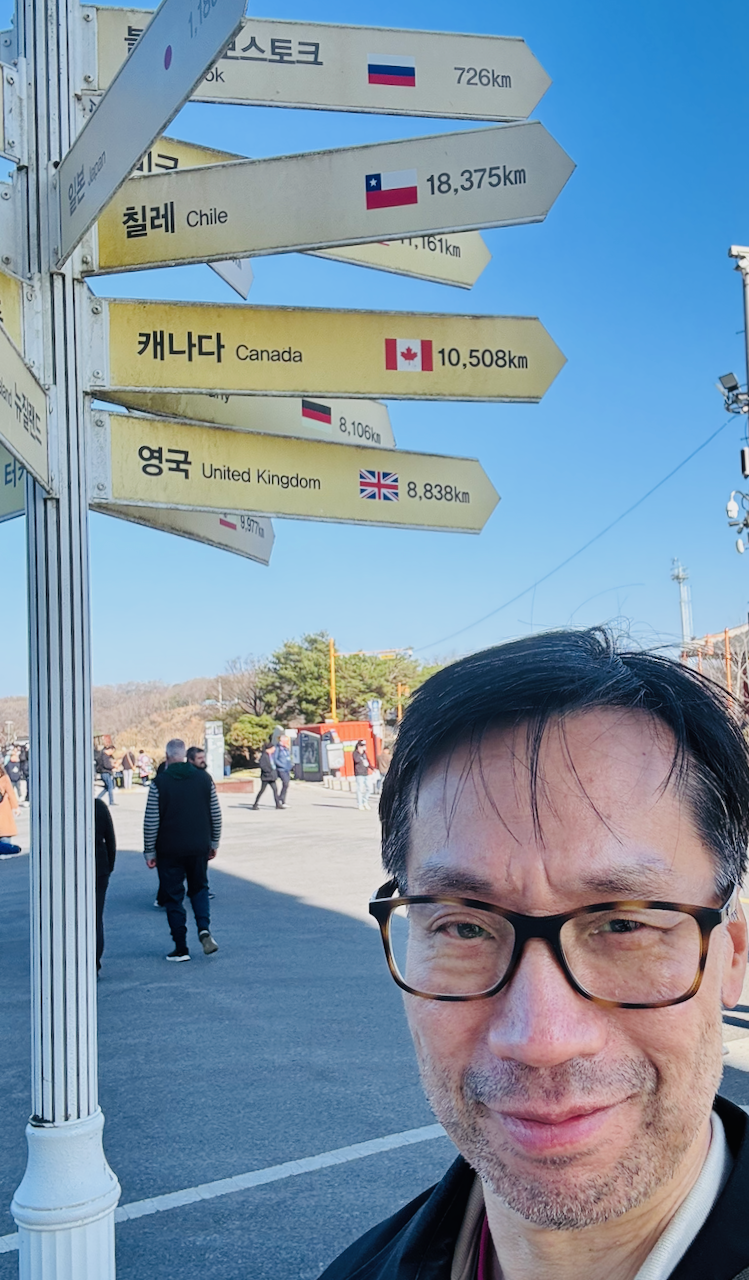
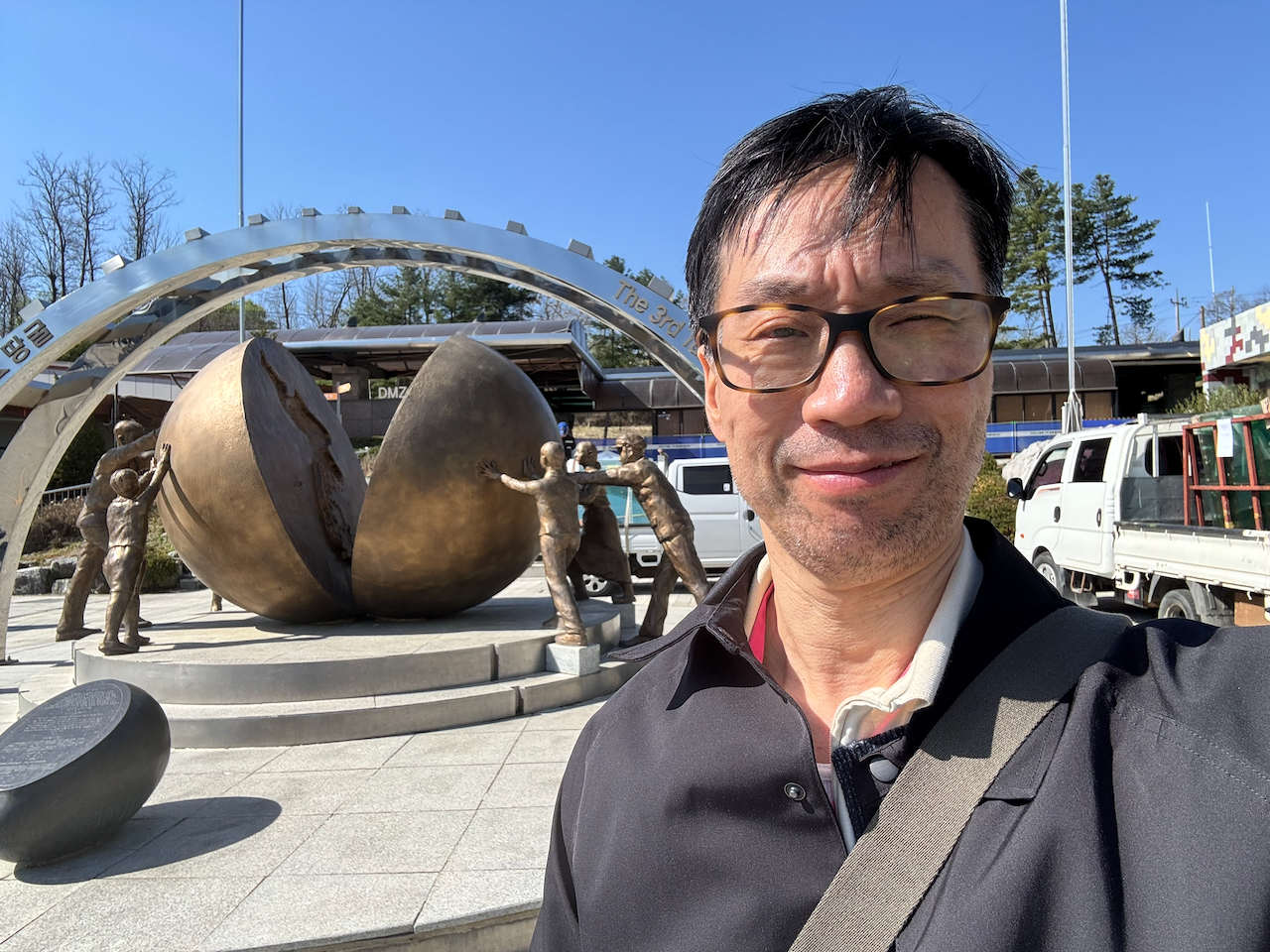
My trip to Seoul Korea (immediately after visiting Japan, since they’re so close) was amazing and life-changing, especially the DMZ tour and ending with my visit to Korea’s largest cat cafe!